Image
Summer is always an exciting time for SIPA students to transform theories they learn in the classroom into practical experience through internships around the globe. This year was no different, as SIPA students fanned out across the globe—from Beijing to Kuala Lumpur, Los Angeles to Pristina—rolling up their sleeves to make a difference. They immersed themselves in an array of diverse projects, from peacekeeping to private equity, and not only sharpened their skills and expanded their worldviews but also inspired new career directions.
The following interviews highlight their impactful projects and the insights gained along the way.
Daniel Alvarez MIA ’25
Concentration: International Security Policy
Specialization: International Conflict Resolution
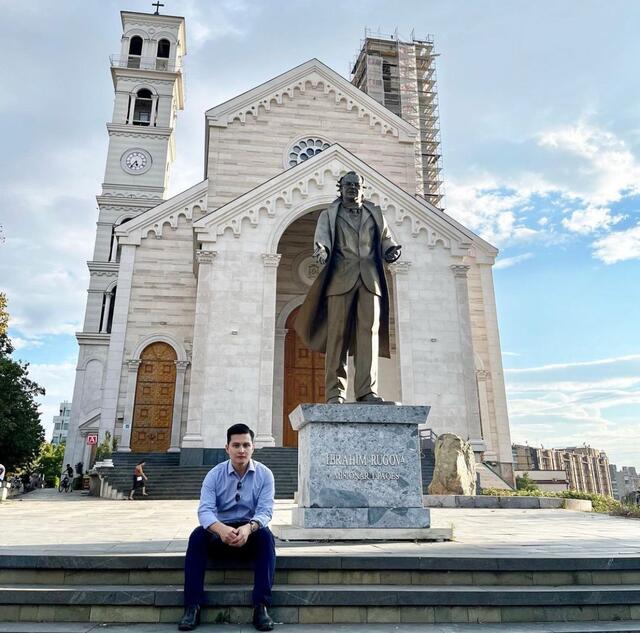
Internship: Program Management Officer at the United Nations Mission in Kosovo
What inspired you to pursue this role, and what did a typical week look like during your time in Kosovo?
Conflict resolution has long been a passion of mine, and I love being on the ground where the action is. My role focused on assessing and reporting on 27 peacebuilding projects from the previous year. A typical week involved interviewing key stakeholders about their initiatives, processes, and lessons learned. It was incredibly rewarding to contribute to shaping the UN Mission in Kosovo’s future peacebuilding projects.
What key insights did you gain from this experience, and how have they influenced your future career aspirations?
One of the most striking moments was traveling through Kosovo and witnessing the contrast between tradition and rapid modernization. I saw Kosovo as a fascinating blend of traditional and progressive elements, undergoing rapid change. The UN projects I assessed aimed to benefit all ethnic communities in Kosovo with a strong emphasis on inclusivity—ensuring that all genders and ethnicities were represented. My studies in ISP focus on preventing conflict, while ICR is about resolving it. This hands-on experience has provided invaluable insights into how institutions can work effectively with local communities to build trust. After SIPA, I hope to pursue a career in defense and security keeping in mind the lessons I learned about the complexities of post-conflict trust building.
Susie Han MIA ’25
Concentration: Human Rights and Humanitarian Policy
Specializations: International Conflict Resolution and Technology, Media, and Communications
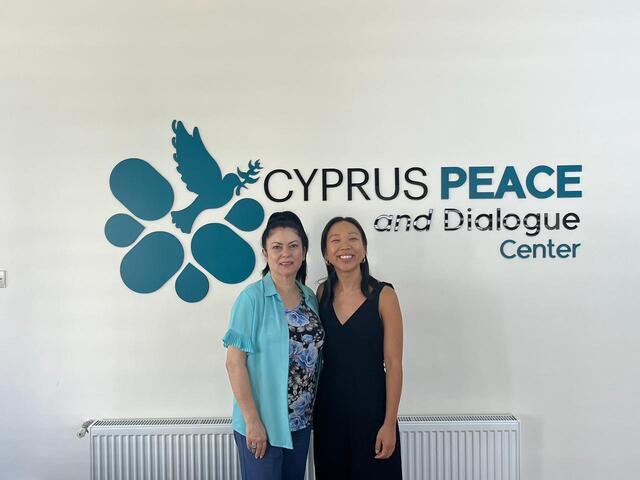
Internship: Summer Fellow at Cyprus Peace and Dialogue Centre
How did you secure this internship, what motivated you to pursue it, and what were your main responsibilities?
I connected with a SIPA alumna who had worked on peacebuilding in Cyprus. She mentioned the Cyprus Peace and Dialogue Centre, an NGO bicommunally established by Turkish and Greek Cypriots to devise cross-community solutions to cultivate sustainable peace. After taking the class The Humanitarian, Development, and Peace Nexus at SIPA, I wanted to get more exposure to what comprehensive peacebuilding efforts that pushed for tangible impact looked like.
I interviewed expert negotiators on the Cyprus Problem. I also spearheaded a youth initiative that focused on curating an inclusive digital environment to increase public engagement on peace efforts. The project which I coined as “Digi:Pax” sought to reverse dwindling political participation amongst Cypriot youth and to understand the role of social media in shaping the recent EU parliamentary election outcomes.
What were some key highlights of your work, and how have they shaped your perspective on peacebuilding and the situation in Cyprus?
One highlight was using a novel AI tool. The purpose was to facilitate a focus group discussion with young Cypriots on the current situation out of stalemate. AI played a critical role in distilling insights, allowing for anonymous and authentic exchanges, which was fascinating! Reflecting on the Cyprus issue, it’s clear that both sides are growing more disconnected from each other’s realities, while many still hold hope for peace. I gained firsthand insight into how historical trauma may impact views on solutions, even though the two communities place value and pride in their shared unique Cypriot identity. Instead of harboring hatred, and despite their history being shaped by this division, Greek and Turkish Cypriots see themselves as bound by a common past and heritage. This experience really opened my eyes to the critical role of localization in peacebuilding.
Sekar Joewono MPA-DP ’25
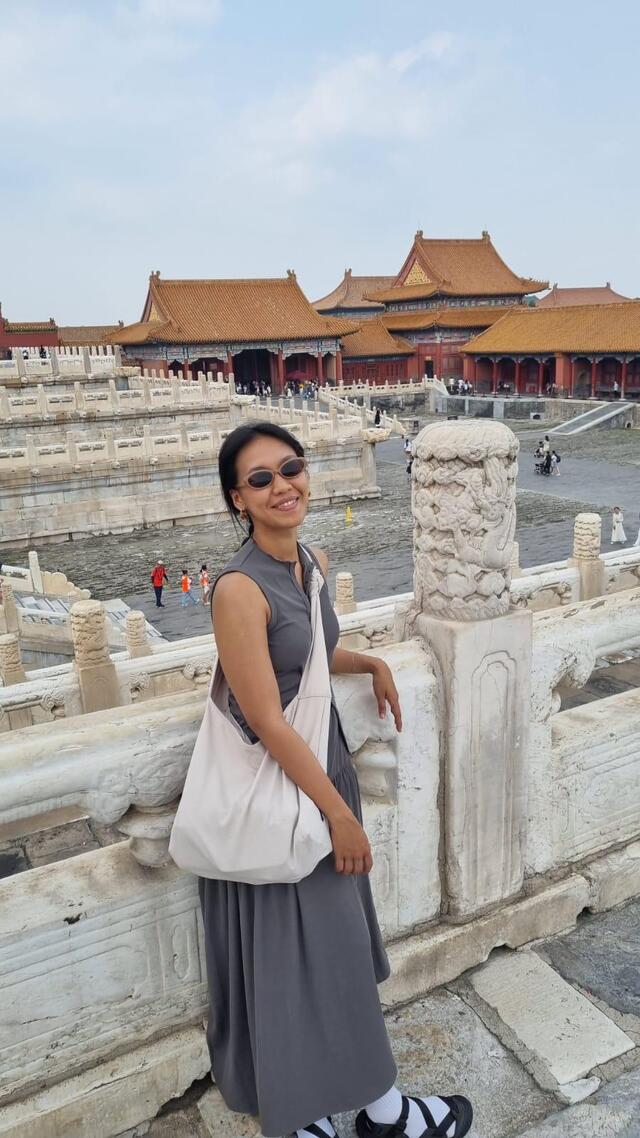
Internship: Economic Inclusion Intern at the Asian Infrastructure Investment Bank (AIIB)
What inspired you to pursue this internship, and what were your main responsibilities at AIIB?
I was immediately drawn to the Michaela Bergman Memorial Internship Program because it focused on social inclusion, especially from a gender perspective. I worked in the economics department on the inclusion pillar, where I analyzed how infrastructure projects impact vulnerable groups. My main responsibilities involved conducting research and literature reviews on topics like the effects of heat waves on vulnerable populations, which contributed to AIIB's flagship Asian Infrastructure Finance report. I also helped assess the social impact of AIIB projects, such as measuring the benefits of infrastructure that provided internet access to local hospitals, schools, and public facilities.
You worked in social inclusion before coming to SIPA in Indonesia. How did your internship at AIIB compare to that experience, both in terms of your work and the overall experience?
My previous work in Indonesia was very field-based, where I supported on-the-ground social inclusion projects. At AIIB, the experience was much more academic and research-focused, giving me a broader perspective on development work. Instead of direct fieldwork, I assessed the impacts of infrastructure projects on vulnerable groups through research and data analysis. While both roles focused on social inclusion, AIIB allowed me to explore these issues on a larger scale, looking at how infrastructure projects affect different populations across Asia. Outside of work, it was also my first time in China, which made the experience even more enriching. Exploring the Hutongs in Beijing, bonding with fellow interns, and traveling to places like Inner Mongolia and Shanghai gave me a deeper understanding of Chinese culture, making my summer truly unforgettable.
Dingzhi Mai MPA ’25
Concentration: International Finance and Economic Policy
Specialization: Data Analytics and Quantitative Analysis
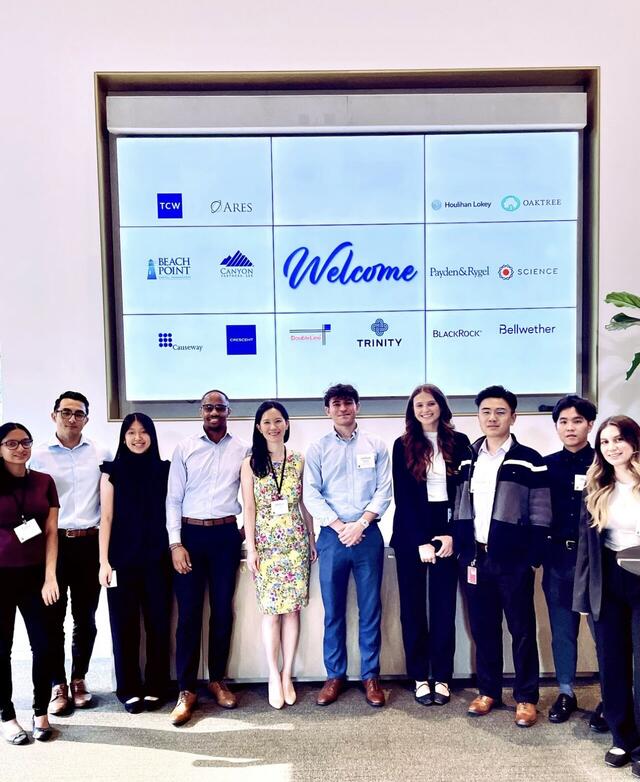
Internship: Sovereign Research Intern, Emerging Markets Group at TCW
What motivated you to pursue this opportunity, and what did a typical day or week look like during your internship?
The opportunity to work with the Emerging Markets Sovereign team of TCW, a leading asset management company based in Los Angeles, stood out to me because it aligned perfectly with my passion for fixed income and sovereign credit research. This role built on my previous experience, including my internship in fixed income and Capstone project at SIPA with Moody’s Sovereign Risk Group. Additionally, the training I received at SIPA, particularly in macroeconomic analysis, provided a strong foundation to make meaningful contributions.
A typical day would begin with writing summaries for our group’s morning calls and preparing fund attribution reports. I would then dive into my independent research project, using Bloomberg and Excel for data analysis. TCW also offered valuable learning experiences through networking opportunities and speaker series on various investment topics, which further enriched my time there.
What were some standout projects or fun moments from your experience, and how have they influenced your career goals?
A major highlight was wrapping up a cool project on foreign direct investment in emerging markets. I dug through disaggregated FDI data from 30 countries, put together a big data archive, and showed the entire team my findings. Wandering around Los Angeles was a fresh new experience for me — the ocean breezes, the star-studded sidewalks, and the laid-back vibe that made me feel super relaxed after work!
Through this internship, I learned that investment is not just about returns, but a powerful lens for understanding global dynamics and the underlying factors driving change. I see myself evolving into a strategist over time, contributing actionable investment recommendations and helping shape portfolio strategies.
Kento Mori MIA ’25
Concentration: International Finance and Economic Policy
Specialization: Data Analytics and Quantitative Analysis
Internship: Summer Intern at the International Finance Corporation (IFC), the World Bank
What led you to this opportunity, and what kind of projects were you involved in on a daily basis?
A World Bank career information session inspired me to apply for IFC’s Global Internship Program. I worked for portfolio management, where I created valuation models, and I supported the Valuation Support Team by reviewing several existing Discounted Cash Flow financial models. One of my key projects involved analyzing a healthcare company in India to understand its business projections.
What were some key highlights of your work, and how has this experience shaped your career goals?
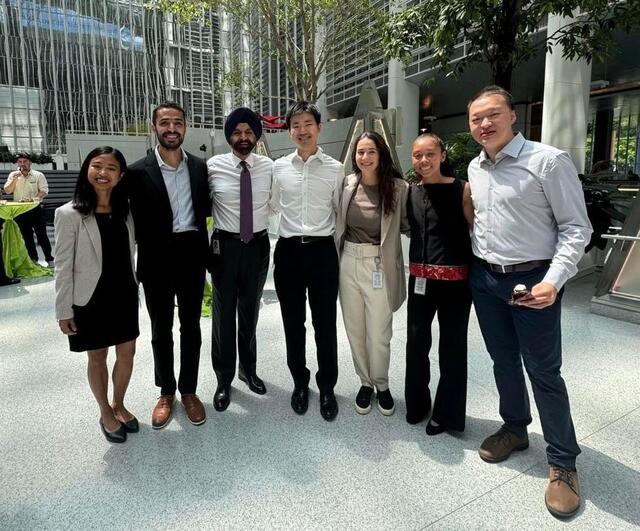
A major highlight was meeting Ajay Banga, the World Bank President, in a one-on-one meeting! He was incredibly generous, and he shared his perspective on how IFC will be able to increase the portion of equity investments. Additionally, there were so many networking opportunities in Washington, DC—it was exciting to reconnect with my friends. This, along with weekly training sessions where I connected with interns and members globally, gave me a much deeper appreciation for how multilateral development banks operate. Moving forward, I aspire to continue on this path and build a career in development finance, with the hope of contributing to global efforts in ending extreme poverty and boosting shared prosperity—the very mission of the World Bank.
Nik Nor Zafirah MPA ’25
Concentration: Climate, Energy, and Environment
Specialization: Technology, Media, and Communications
Internship: Policy Researcher at Minister’s Office, Malaysian Ministry of Natural Resources and Environmental Sustainability
What inspired you to transition from the private sector to the public sphere, and what did your role at the Ministry involve?
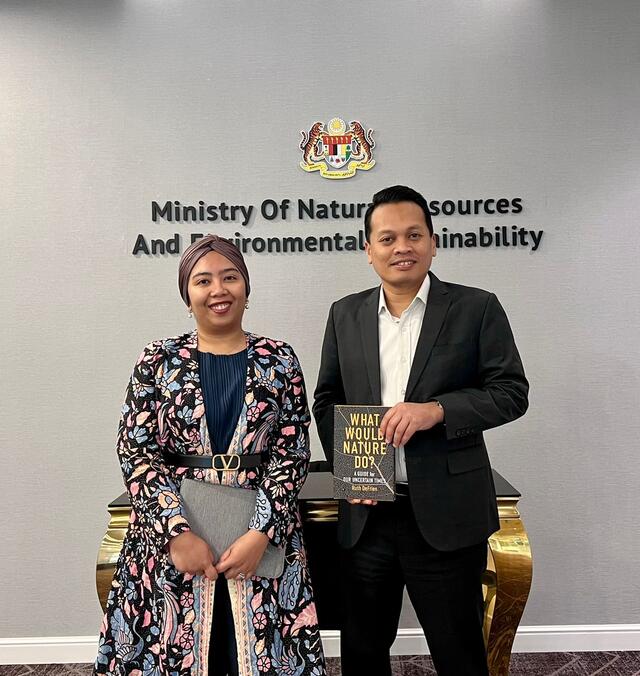
After eight years in the private sector with Shell, primarily based in the Netherlands, I felt a strong desire to return to my home country, Malaysia, and contribute more directly to public policymaking, which led me to pursue an MPA. My internship at the Ministry of Natural Resources and Environmental Sustainability provided the perfect opportunity to help make this transition. I had previously known Minister Nik Nazmi Nik Ahmad when he first became a Member of Parliament more than a decade ago, and shadowing such a young, dynamic, and progressive leader was an incredible experience. My responsibilities included conducting research on policies to reduce plastic waste in Malaysia, mobilizing capital to protect Malaysia’s rich biodiversity, and further developing the country’s carbon credits market. Working on these critical issues truly gave me valuable insights into the intricacies of balancing sustainable goals with practical policy implementation.
What was the most rewarding part of this internship, and what key insights will guide your studies moving forward?
The most rewarding aspect was the wealth of knowledge I gained about Malaysian policymaking, coupled with the extensive networking I did with government officers and technocrats - everyone was incredibly friendly! Talking with them really reinforced my desire to pursue a career in state-owned corporations, where I can merge my private-sector expertise with a mandate to invest in projects that have tangible social and economic impacts. As I move into my second year at SIPA, this internship guided my course selection — particularly in areas like climate investment and financing the energy transition.