Image
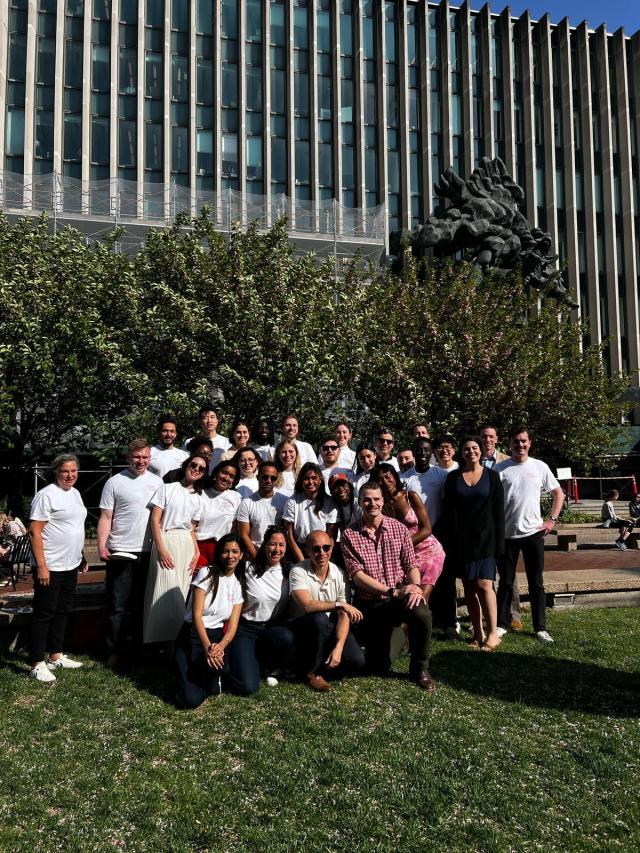
SIPA offers a number of internal scholarship and fellowship programs to incoming and returning students, and one of those is the International Fellows Program. The International Fellows Program (IFP) is a two-semester seminar course and fellowship program that invites Columbia students with diverse perspectives and professional backgrounds to study a global curriculum and to connect with world leaders and gain experience on real-world situations. Moreover, the program includes students from other Columbia schools, so you also get the chance to get to know and to work alongside business school students, public health students, law students, and more. These cross-school connections are great opportunities to learn from each other and to explore different Columbia communities.
One of the things that makes this program so impactful is that it is taught by Ambassador Victoria Nuland. Ambassador Nuland has incredible direct experiences working under six different U.S. presidents and has expertise in numerous regions such as Russia, China, and Europe, so in class we often get to hear about her direct experiences in these regions while also learning from one another.
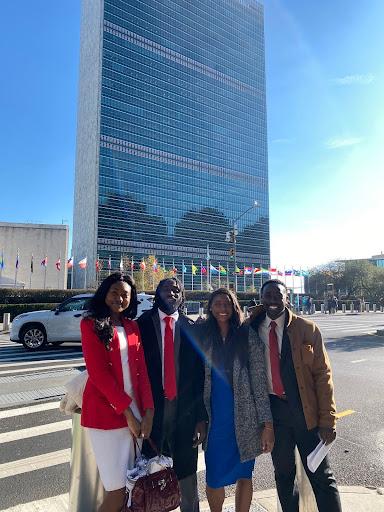
Another wonderful aspect of this program is that all fellows receive a stipend to support them throughout the program period and get to experience impactful and exciting trips to Washington, D.C. and the United Nations. As a fellow, you get exclusive access to connect with senior policymakers, diplomats, legislators, journalists, and leaders of non governmental organizations. We even got to meet with some of the Inside the Situation Room (ISR) guests after the ISR class and to speak with them as a cohort.
As a fellow, I can openly say that this fellowship truly prepares you for realistic policy conversations and discussions. It often felt unreal to be sitting at the United Nations and to be speaking with UN Ambassadors and policymakers about pressing issues that affect both the global community and my community or to be in class and to have a surprise visit from Professor Hillary Clinton and other notable guests.
While the program is great professionally, it is also wonderful socially, as you become really close with your cohort. After class most days we would get together and grab food and occasionally we’d have small get-togethers at each other’s apartments. This program allows you to grow and to push yourself professionally, while also broadening your personal connections and general understanding of the world.
You might be wondering now, how do I become a fellow?
Well, here’s a few tips for the application process:
To read more about International Fellows Program, visit the website here: https://www.sipa.columbia.edu/sipa-education/international-fellows-program