Image
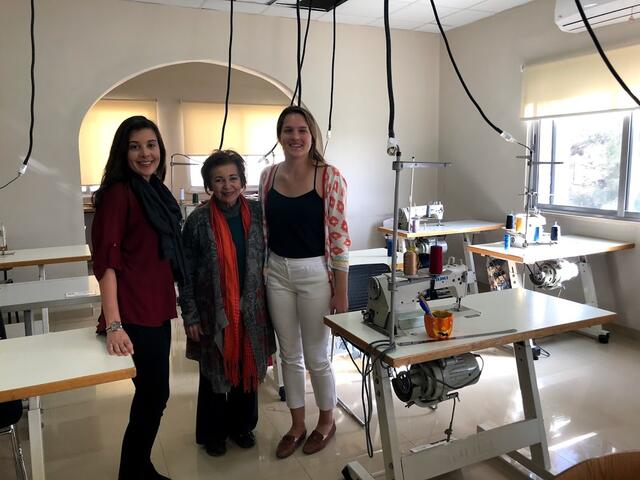
As crises become more protracted and the number of refugees and internally displaced people worldwide has swelled to over 65 million, humanitarian actors are increasingly recognizing that crises and their response impact women, men, girls, and boys differently, and a failure to account for these differences can perpetuate gender inequities and hamper response efforts. There is a need for a greater understanding of how crises lead to different needs, opportunities, and coping mechanisms for individuals, and how they can exacerbate existing power inequalities. The SIPA team undertook a study on behalf of the Women's Refugee Commission (WRC), a leading expert on the needs of refugee women and children, as a key early step in its new strategic plan. The study aimed to assess how humanitarian actors are currently incorporating gender and intersectional knowledge, research, and practices in their programming and policies. Through a literature review, organizational policy mapping, and targeted field research via key informant interviews with humanitarian staff in Uganda and Jordan, the research team aimed to identify gaps between policy and programming, analyze contextual barriers to effective programming, and determine evidence-based best practices. The team identified a number of key themes including the need to come to a practicable definition of 'intersectionality', and a need to engage both donors and beneficiaries in ongoing discussions of gender inclusion.