Oct 2016
Anthropologica

Professor of International and Public Affairs
Focus areas: Climate change adaptation, environmental anthropology, human response to glacier retreat in mountain regions, water management and governance, natural hazards and disaster risk reduction, urban sustainability
Benjamin Orlove, an anthropologist, has conducted field work in the Peruvian Andes since the 1970s and also carried out research in East Africa, the Italian Alps, and Aboriginal Australia. His early work focused on agriculture, fisheries and rangelands. More recently he has studied climate change and glacier retreat, with an emphasis on water, natural hazards and the loss of iconic landscapes. In addition to his numerous academic articles and books, his publications include a memoir and a book of travel writing.
Orlove taught for many years at the University of California, Davis. At Columbia University, he also teaches in the Master’s Program in Climate and Society, for which he serves as Associate Director. He is a Senior Research Scientist at the International Research Institute for Climate and Society, and is one of the four co-directors of the Center for Research in Environmental Decisions.
Anthropologica
Journal of Extreme Events
Natural Resources Forum
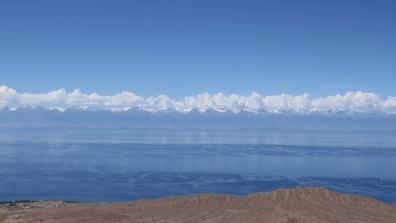
Ben Orlove, a professor at the School of International and Public Affairs, Columbia University, believes that “things will get serious soon, and might be very drastic further in the future. Reducing emissions could help, but radical reductions are unlikely.”
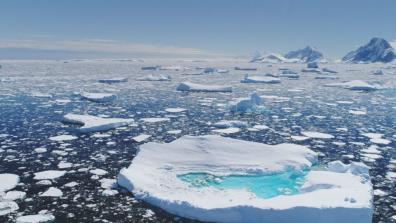
“I find that there’s been confusion between urgency and haste,” Ben Orlove, a professor of international and public affairs at Columbia University, told Gizmodo. “Though we recognize the urgency of action, that should never serve as an excuse for incompletely reviewed proposals moving forward.”
Professor Ben Orlove, PhD student Jessie Lu, and former postdoctoral research fellow Leah Jones-Crank find that bridging the gap between WEF nexus and compound risks can "lead towards greater sustainability of the human-environment system."
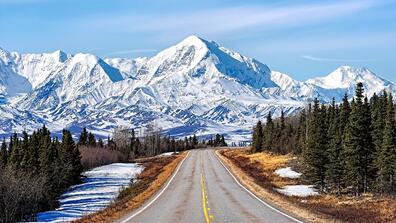
Ben Orlove said some warming — and related glacial melting — is already baked in, but some of it could be prevented.
Read the interview with Ben Orlove, who has been working with the IPCC since 2016, about the Panel's latest report on State of the Planet.