
News & Stories
All News & Stories
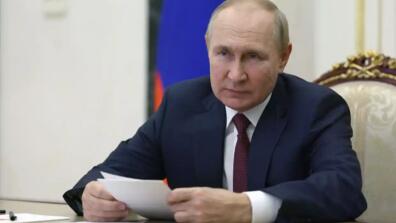
Rajan Menon co-authors a piece on the unpredictability of what a post-Putin Russia would look like.

Economist Arvind Panagariya comments on possible actions the Reserve Bank of India can take to stem the rupee slide, "The origins of the pressure on the rupee today are to be traced not in higher inflation rates at home but in the rising interest rates in the US in the face of the high degree of international mobility of financial capital."
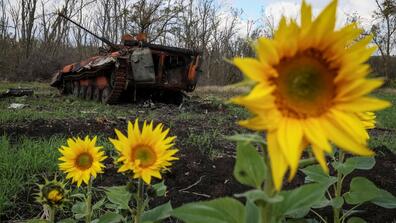
Richard K Betts talks about Putin's likelihood of going nuclear: "If I had to bet money, I would probably bet 3:2 that he would not go nuclear even if he feels desperate, but those are not good odds."
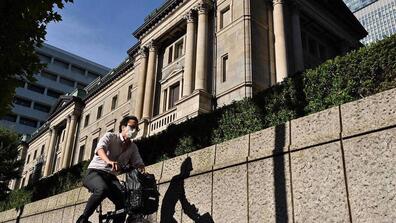
Takatoshi Ito writes about The US Federal Reserve’s interest-rate hike, the global landscape of monetary tightening, and the need for governments not to politicize these issues.
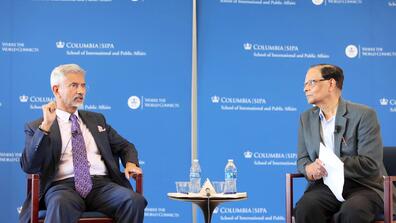
In a recent visit to the Raj Center by Dr. S. Jaishankar, India's external affairs minister, spoke on a wide range of topics. His remarks drew a lot of interest from Indian media.
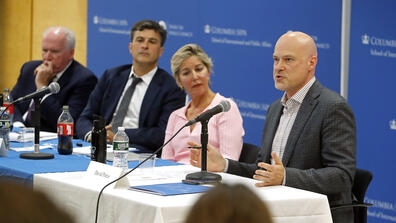
A panel of experts offered varying perspectives on the fraught relationship between the former president Donald Trump and the U.S. intelligence community.
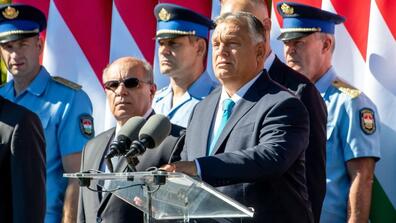
Ian Bremmer discusses the implications of an E.U. report released earlier this month that condemns Hungary's prime minster for attacks on press and academic freedom, the independence of judges and courts, minority rights, and the rights of asylum seekers.
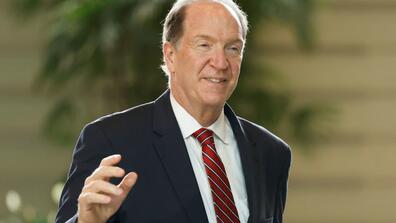
In light of Malpass's decision not to comment on whether he believed man-made emissions were warming the planet, Joseph Stiglitz remarked, “unfortunately the World Bank has not taken the kind of global leadership that the world needs right now.”