
News & Stories
All News & Stories

Adjunct Senior Research Scholar Rajan Menon was interviewed on ABC News Daily for a conversation titled, "Is Ukraine any closer to a deal with Putin?"

A study published in the National Bureau of Economic Research found that buyers who see flood risk data on listings are more likely to look for homes with lower risk. SIPA's Robert Metcalfe, who worked on the study, found that it "significantly impacted the tours they took, because they weren't looking at high flood risk homes, and it affected where they ultimately made an offer."
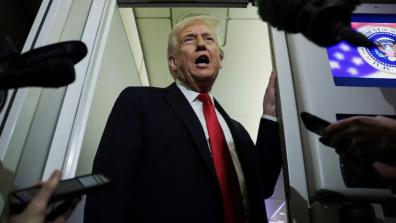
Robert Shapiro, professor of political science at Columbia University, states that "Trump has been very consistent about trying to soak up as much of the news media's attention that he can."
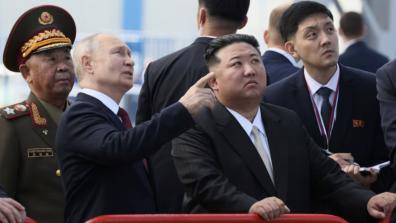
SIPA Lecturer of International and Public Affairs, Jonathan Corrado, writes that all belligerents in the Korean War suffered from cognitive biases that led to misjudgment and escalation.
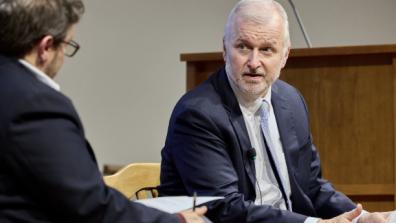
Thomas J. Christensen, Professor of International Relations and director of the China and the World Program at Columbia SIPA, called for the United States to recommit to a pragmatic approach to great power competition. He said this means prioritizing partners, avoiding maximalist gestures, and better understanding China as a rising power.
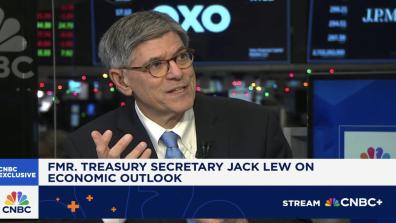
Jack Lew, former U.S. Treasury Secretary and former ambassador to Israel in the Biden Administration, joins CNBC to discuss macro outlooks on the economy.

According to Erica Downs and Richard Nephew, Senior Research Scholars at Columbia's Center on Global Energy Policy: "If Washington does not stem the pipeline of energy-fueled cash from China to Russia, its overall commitment to sanctions and other kinds of restrictive policies will come into question."

Irwin Redlener, a research scholar at the School of International and Public Affairs at Columbia University and founder of the Ukraine Children’s Action Project, writes that "Ukraine’s sovereignty, security and democracy should all be nonnegotiable."

Senior Research Scholars Edward Fishman and Julian Gewirtz discuss the economic war between the U.S. and China, arguing that Beijing weaponized its most powerful chokepoint: the critical minerals and magnets essential to modern industry.
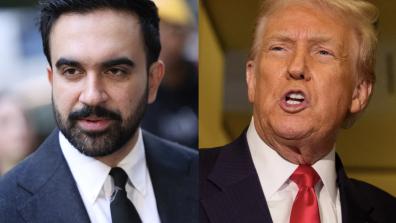
As much as Mamdani and Trump disagree, they share some things in common, according to Ester Fuchs, professor at Columbia University's School of International and Public Affairs.