
News & Stories
All News & Stories
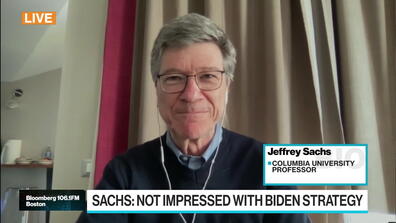
Jeffrey Sachs says NATO's handling of the Russia-Ukraine crisis isn't smart diplomacy.

"Deep ideological divisions among voters have been the norm across the region for decades, not the exception," writes María Victoria Murillo.

"A growing literature finds that nonviolence is more successful than violence in effecting political change. We suggest that a focus on this association is incomplete, because it obscures the crucial influence of ethnic identity on campaign outcomes," the paper Tamar Mitts co-authored is published in American Political Science Review.
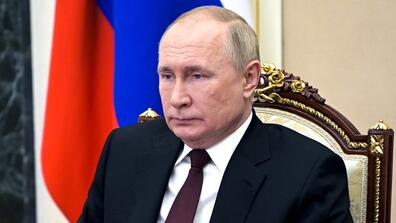
Rajan Menon expands on the U.S.-Russia dynamic on the Russia-Ukraine crisis: "Much seems to be expected of sanctions — indeed, too much. If Putin orders a larger invasion, it’s a safe bet that he and his National Security Council have anticipated severe economic penalties from the West and deemed the steep price as something worth paying to achieve their objectives — which remain unclear — in Ukraine."
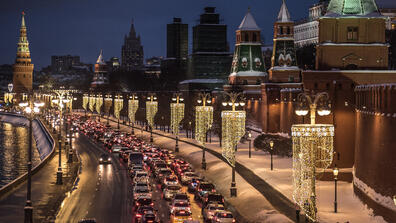
Eddie Fishman called Joe Biden’s action on Tuesday a modest first step intended as “a shot across the bow.”

"We don't have that many trade relations with Russia, we don't get our gas from Russia. However, we do trade with people who do get gas from Russia who will have to deal with an economic slowdown," Sharyn O'Halloran comments.
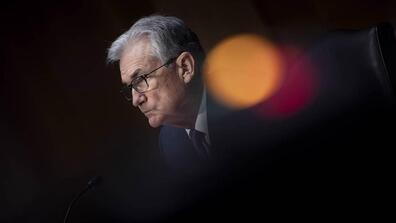
“After two decades of never raising policy rates by more than 25 basis points at a time, the US Federal Reserve is now confronting macroeconomic conditions that demand more robust action,” writes Willem Buiter.

Part one in a series on the worsening spread of false information online looks at the challenge of balancing freedom of expression with targeting misinformation. Anya Schiffrin reports.

"Press accounts of dirty activities springing up in developing countries, in part to evade stricter environmental regulations in developed ones, are all too common. But previous academic research has found little systematic evidence of such pollution-haven effects between the global North and South," Eric Verhoogen co-writes.
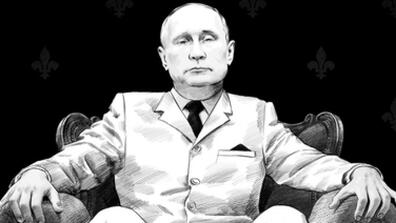
“Russia’s dual victory plan would be to weaken and destabilise not just Ukraine, but the US as well,” writes Lincoln Mitchell.