
News & Stories
All News & Stories

The Middle East’s politics cannot address a slow-moving transnational crisis like climate change, even though it affects everyone in the region, representing a more extreme version of current collective action problems, says Thanassis Cambanis.
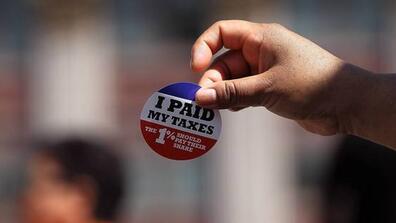
If the G20 is serious about rectifying the injustice of cross-border tax abuse, it should support developing countries’ call to establish a global tax body at the UN, writes José Antonio Ocampo.

Returning from COP26 in Glasgow, Eduarda Zoghbi MPA '22 says that youth are tokenized by many organizations, companies, and governments as an example of their commitment to future generations, but their words are not transformed into action.
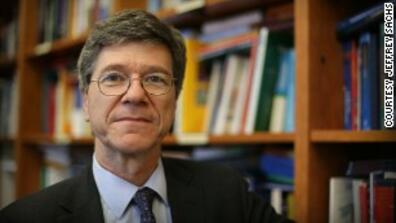
Jeffrey Sachs presented in the third installment of a fall lecture series entitled “The American State in a Multipolar World” on the importance of global cooperation amid current tensions between the United States and China, focusing on the goals of sustainable development, the potential climate consequences of a cold war between the United States and China, American exceptionalism and the threats it poses to international peace.
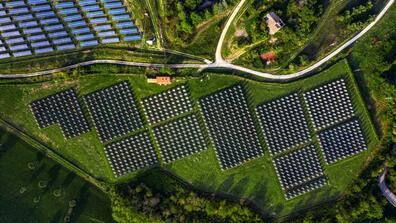
The findings from the USA branch of the UN's Sustainable Development Solutions Network demonstrate that the nation is faltering when it comes to a “holistic picture of wellbeing,” as described by Jeffrey Sachs.
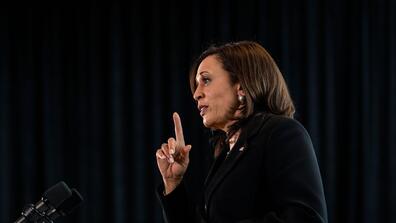
“Since taking office in January, Vice President Harris has struggled to find her role in the administration and win the approval of the American people,” Lincoln Mitchell writes.

Jason Bordoff, co-founding dean of the Columbia Climate School and founding director of Columbia’s Center on Global Energy Policy, speaks on the university's new program: “Columbia has already shown how serious it is about trying to solve the climate crisis. We're excited to work with NYSERDA and Activate to demonstrate how much more can be accomplished.”
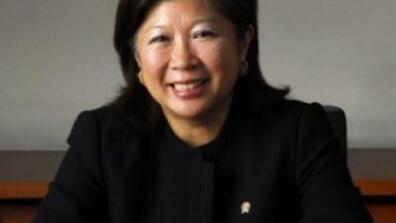
According to a statement released by World Bank Africa External Affairs Office, Mari Pangestu will visit Tanzania for two days, holding discussions with President Samia Suluhu Hassan and other government officials and development partners.
Joseph Stiglitz joins the discussion, arguing that blaming the current high inflation on government spending is bad economics, and it would be a mistake to use that as a reason for not supporting Biden's agenda.