
News & Stories
All News & Stories

Crowds of people marched in Budapest Pride on Saturday, defying a police ban and warnings from Prime Minister Viktor Orbán. Organizers claim it was the largest turnout in the event’s history. But does this indicate something deeper about Orbán’s government?
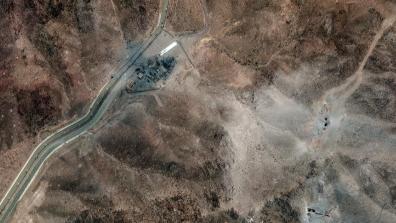
"Israel and America bought themselves time but will pay in other ways," writes Richard Nephew.
It would be naive to believe that the US could take a wrecking ball to the Iranian state and walk away unaffected, writes Rajan Menon a senior research scholar at the Saltzman Institute of War and Peace Studies.
Former Treasury Secretary Jacob Lew discusses the 'big, beautiful bill' deadline on 'The Claman Countdown.'
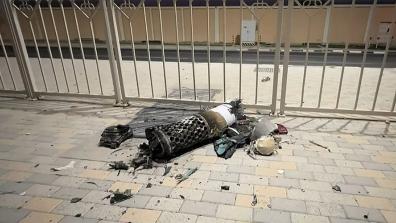
"If American soldiers are killed, Trump is likely to respond relatively quickly in kind to Iranian military targets, possibly including the Iranian navy," said Robert Shapiro.
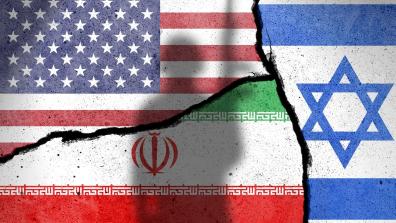
The conflict between Iran, Israel, and now the United States has yet to disrupt energy supplies to global markets. However, the US decision to attack Iran’s nuclear program adds to uncertainties, as the Iranians now face important decisions about whether and how to retaliate further.
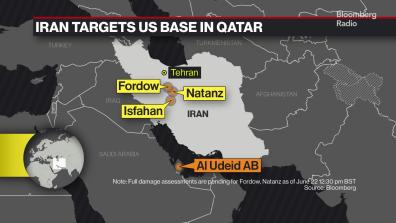
Jason Bordoff discusses where the conflict in Middle East goes from here and what it all means for energy markets.
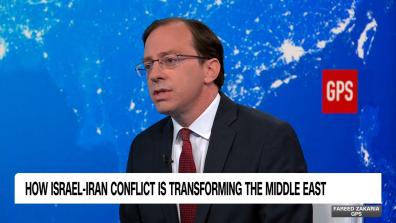
Fareed asks Nadav Eyal, Senior Research Scholar and Adjunct Professor, how leaders in Iran and Israel are adjusting their strategies moving forward following US airstrikes on Iran’s nuclear facilities.
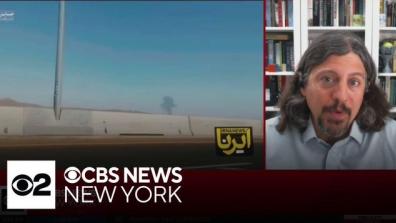
Richard Nephew, senior research scholar at Columbia University's Center on Global Energy Policy, was director for Iranian Affairs during the Obama administration.
Anya Schiffrin, senior lecturer, points out that this is a disruptive time in journalism.